Projects

From pilot installations to proof in space.

TextureLab projects are intended to be visible, carefully chosen applications that show both material desirability and real-world relevance. Projects help build trust, generate learning, and create the first credible case studies for the brand.
TextureLab project concept
TextureLab spatial application
Project logic

Visible, documentable, and commercially meaningful applications.

Why pilot projects matter

Each project should prove something clearly.

Early projects are not just installations. They are proof of use, fit, and relevance. They show what the material can look like, how it can be specified, where it performs best, and why a designer, municipality, or commercial partner would choose it. Projects need to feel useful, visible, and commercially meaningful.
Project types

Four strong starting case-study formats.

These are early project types that can guide pilots, briefs, and future case studies.
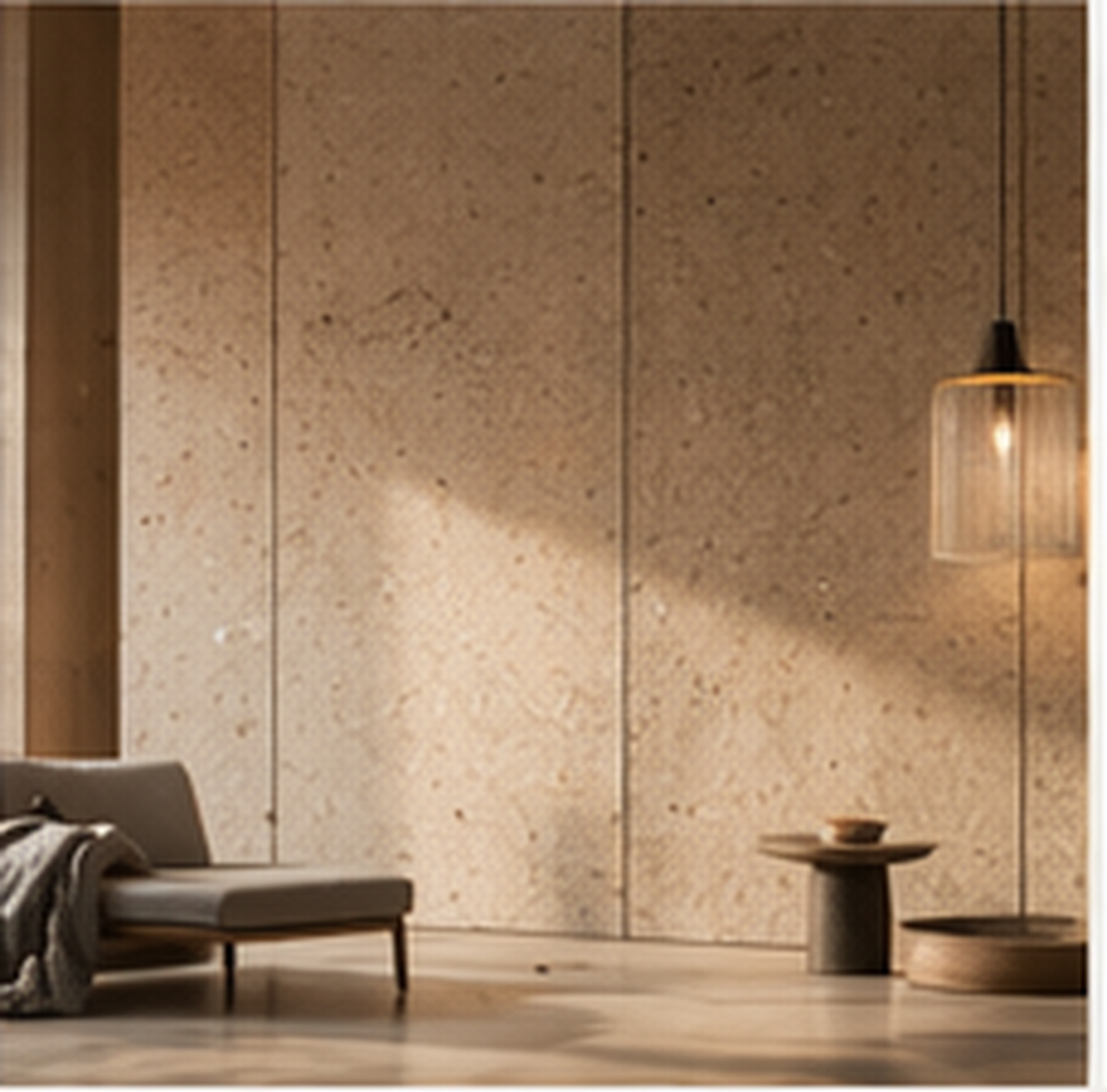
Hospitality pilot concept
Hospitality pilot

Signature wall or feature surface

A café, hotel, or restaurant application where TextureLab becomes a visible part of the guest experience and can be documented as a tactile, atmosphere-defining intervention.

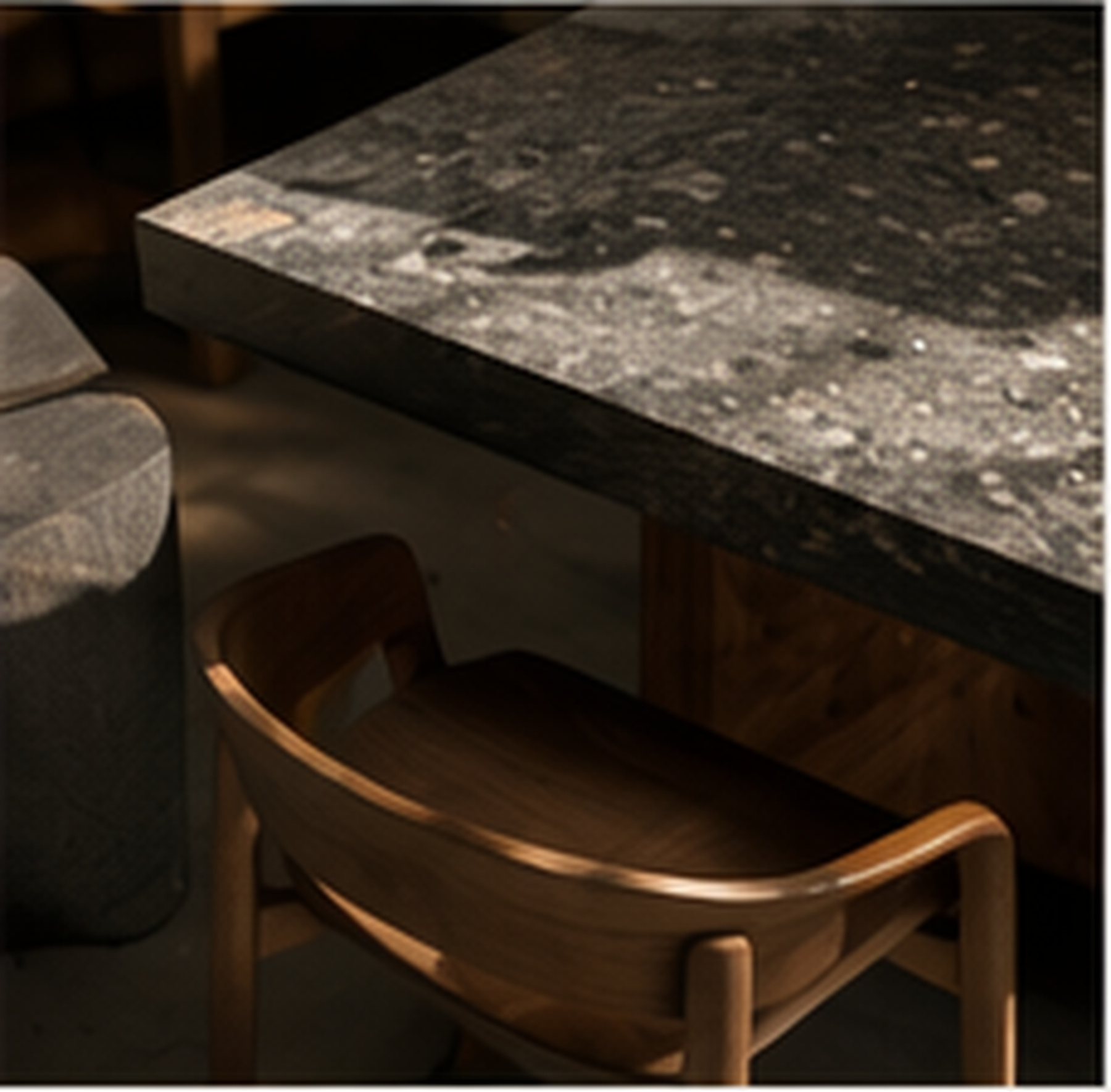
Retail concept
Retail / brand activation

Display and branded environment elements

Retail fixtures, plinths, counters, pop-up installations, or branded displays where circular storytelling and material expression reinforce each other.

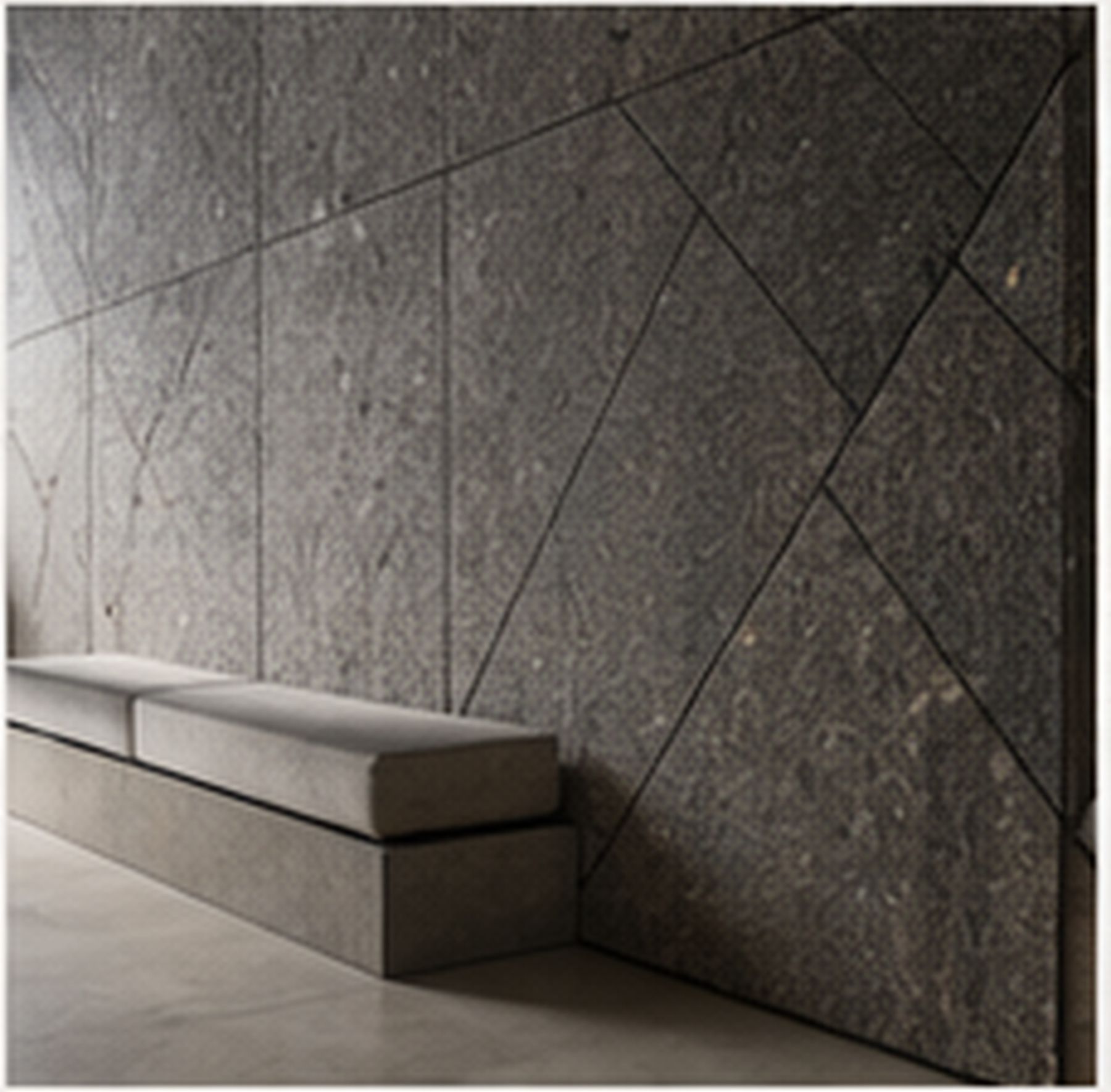
Workspace concept
Workspace / acoustic

Softening professional interiors

Acoustic or surface-based interventions for offices and shared work environments where the material can add warmth, comfort, and sustainability value.

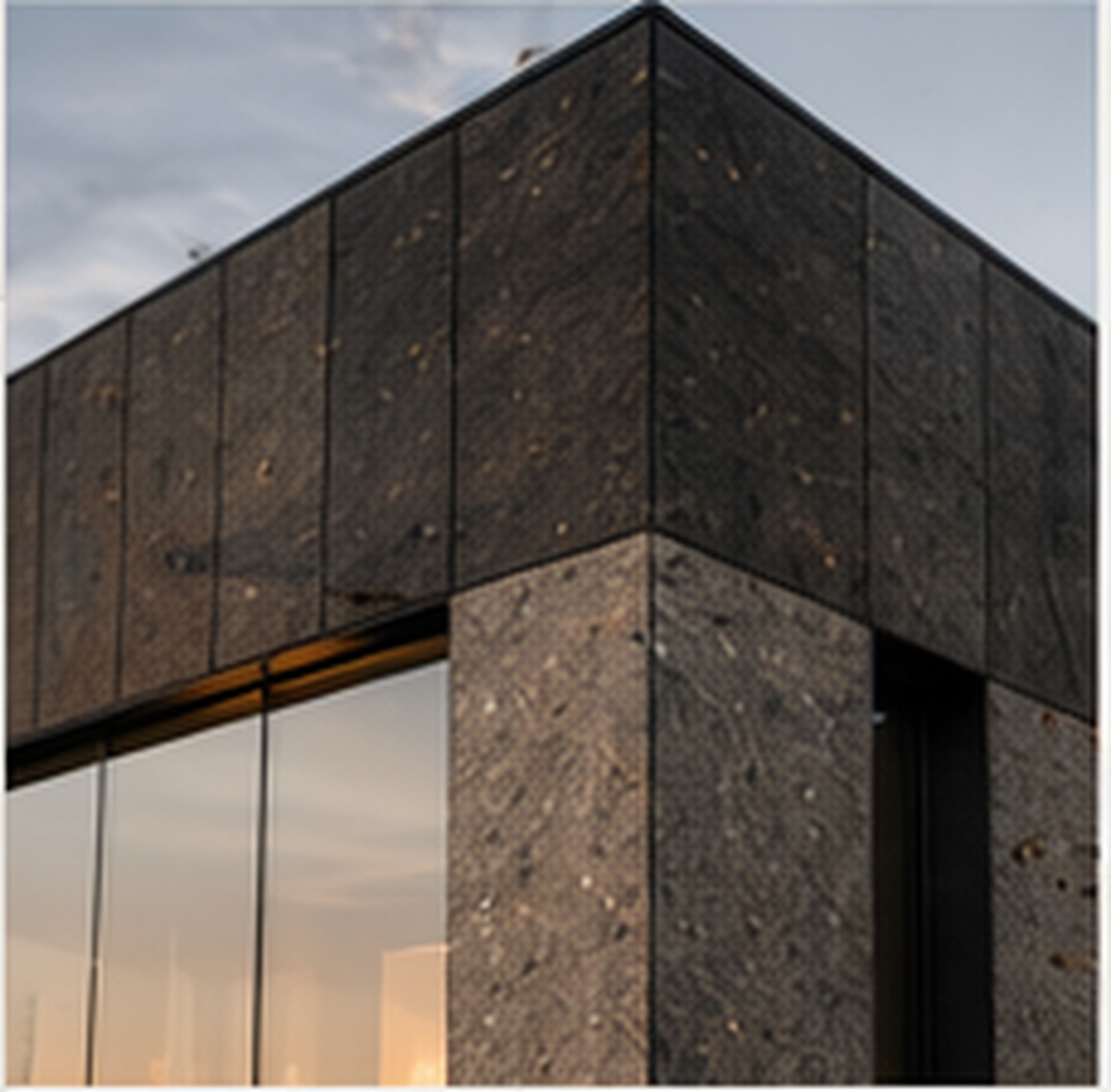
Civic concept
Civic / municipal

Public-facing circular showcase

A municipality, cultural venue, or public interior application where TextureLab can visibly connect local waste streams with local spatial value creation.

What a strong pilot should prove

A strong pilot should answer a few key questions clearly.

A strong project does not need to prove everything at once. It should prove a few key things clearly: visual desirability, fit to use case, implementation feasibility, and the value of continuing with larger or more standardised applications.
Material presence
Does the finished space show the material in a way that feels intentional and desirable?
Application fit
Does the chosen use case suit the material’s current maturity and strengths?
Documentation value
Can the project generate strong photography, detail shots, and a compelling narrative for future outreach?
Commercial next step
Does the project open the door to repeat briefs, sector credibility, or larger follow-on applications?
How pilot projects are developed

Pilots should be structured, not improvised.

The project approach is structured: identify the right brief, align the material direction, prototype where needed, install with care, and document the result.

Choose the right partner

Look for designers, brands, municipalities, and venues that value visible circularity and can support a pilot mindset.

Define the visible zone

The material should appear in an area where people can meaningfully see, understand, and remember it.

Keep the scope smart

Early success often comes from focused, well-framed interventions rather than trying to cover too much surface area too soon.

Document professionally

Projects should generate clean photography, close-up detail, application context, and a concise project narrative.

From enquiry to installation

How a project moves from interest to installation

A clear project journey makes the company feel easier to work with and more operationally credible.
1
Initial enquiryA designer, municipality, brand, or venue shares a concept, space, or opportunity where the material might fit.
2
Application framingThe brief is narrowed into the right scale, format, material direction, and pilot ambition.
3
Sample and prototype stageColourways, finishes, and details are reviewed through samples or mock-ups where needed.
4
Installation and documentationThe project is delivered, photographed, and translated into a clean story for future business development.
Start a pilot conversation

Bring the first case studies to life.

The strongest projects are likely to begin as pilot collaborations with the right amount of visibility, narrative value, and implementation realism.
What we are looking for

The strongest early pilot briefs.

Visible guest or public-facing zones
Interior applications with clear narrative value
Partners open to sampling and iteration
Projects that can be documented well