Materials

Surface systems shaped from textile waste.

TextureLab is developing a material platform for interiors, surfaces, and spatial applications — translating discarded textiles into tactile, specification-oriented outputs with strong visual identity.
Current focus
Interior surface materials developed from textile waste.
Primary use
Interior surfaces, acoustic elements, branded environments, and custom applications.
Project flexibility
Format, tone, density, and finish can be adapted to the needs of each project.
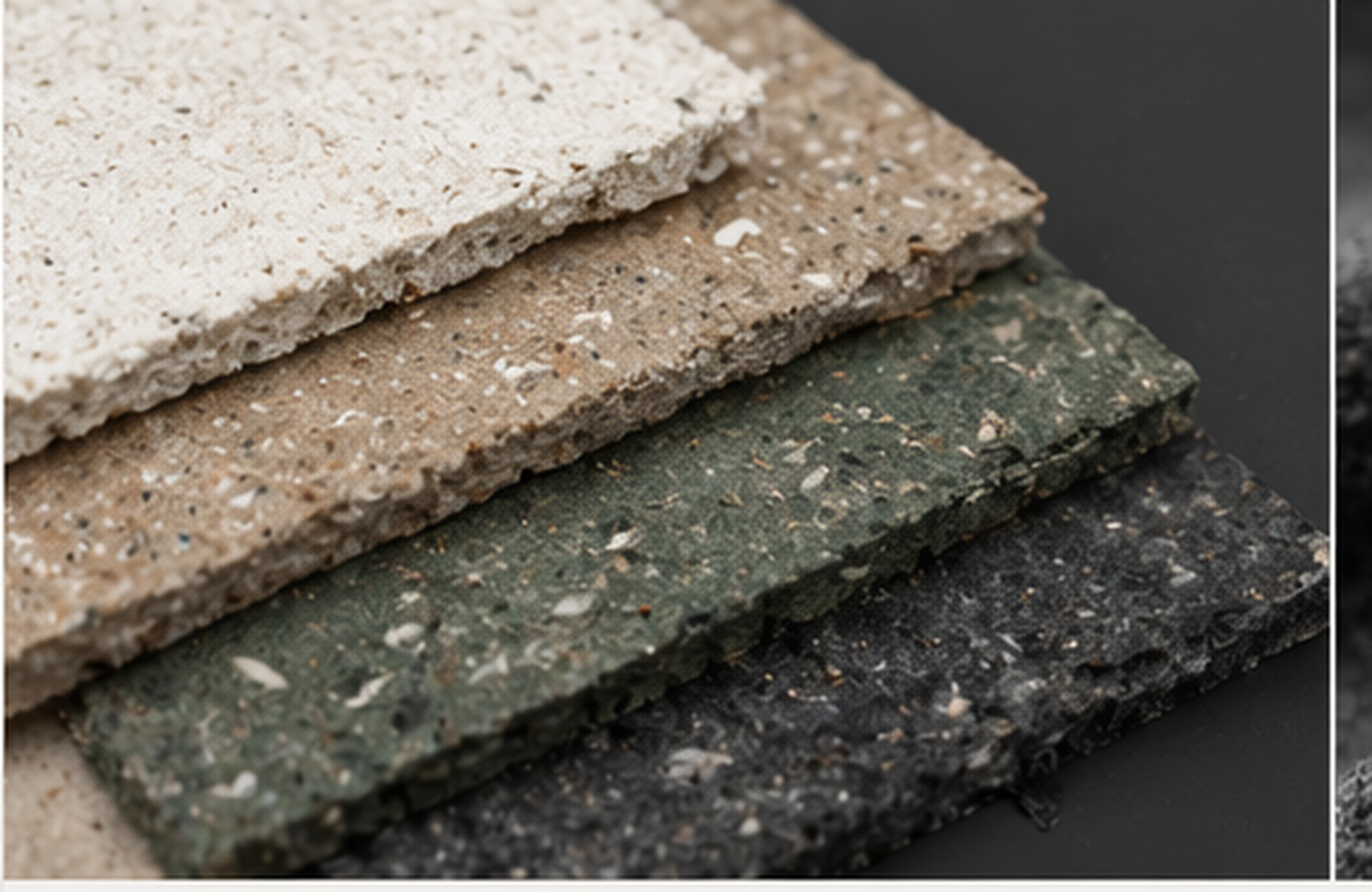
TextureLab material surfaces
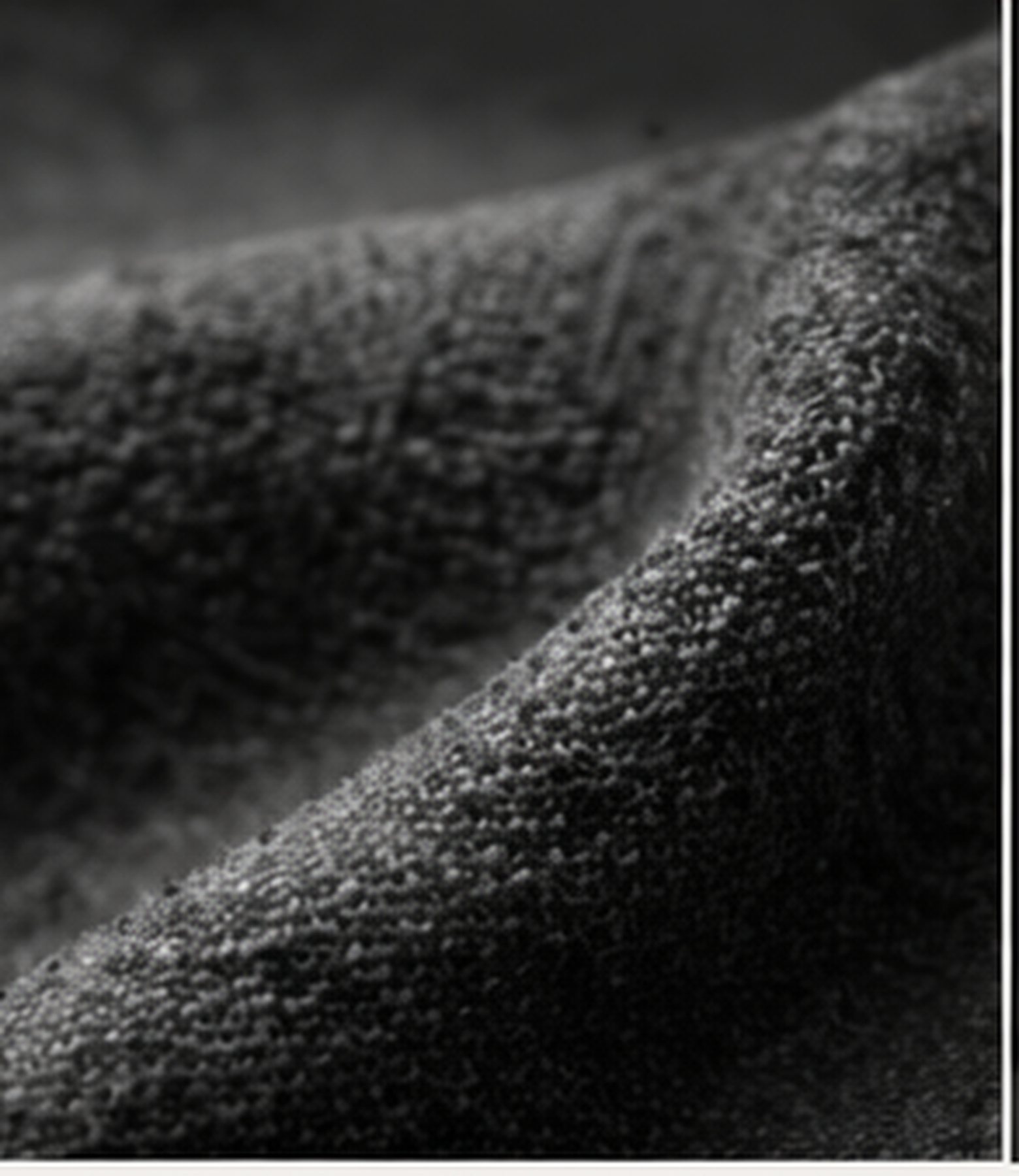
TextureLab texture macro
Material close-up

Tactile, layered, fibre-rich, and project-facing.

Material system

Not one product. A family of outputs.

TextureLab is being developed as a family of interior material outputs rather than a single fixed product. The same material base can be developed into panels, acoustic elements, and custom components for different interior uses.
Design quality

Design-grade

Built to carry visual identity, tactile depth, and architectural presence rather than merely sustainability messaging.

Who it is for

Specifier-ready

Positioned for architects, designers, brands, public interiors, and pilot partners seeking circular materials with real spatial value.

How it develops

Customisable

Format, edge, tone, and finish can evolve through project development rather than being limited to one fixed SKU.

Material families

Core outputs for early applications.

These are the clearest early product directions for TextureLab.
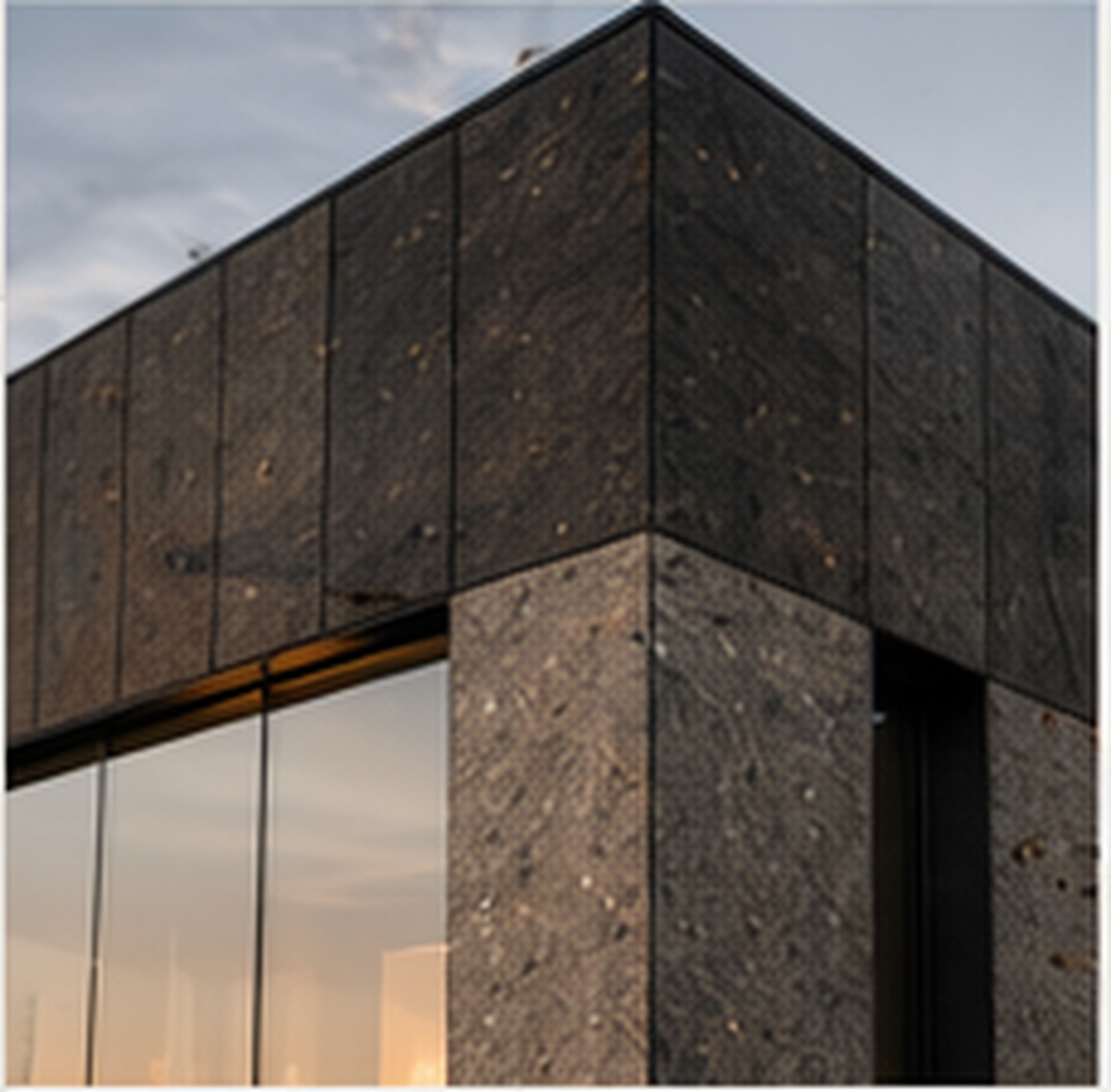
Architectural panel concept
Architectural

Surface Panels

Large-format interior panels developed for walls, fit-outs, feature zones, and branded environments where material presence matters.

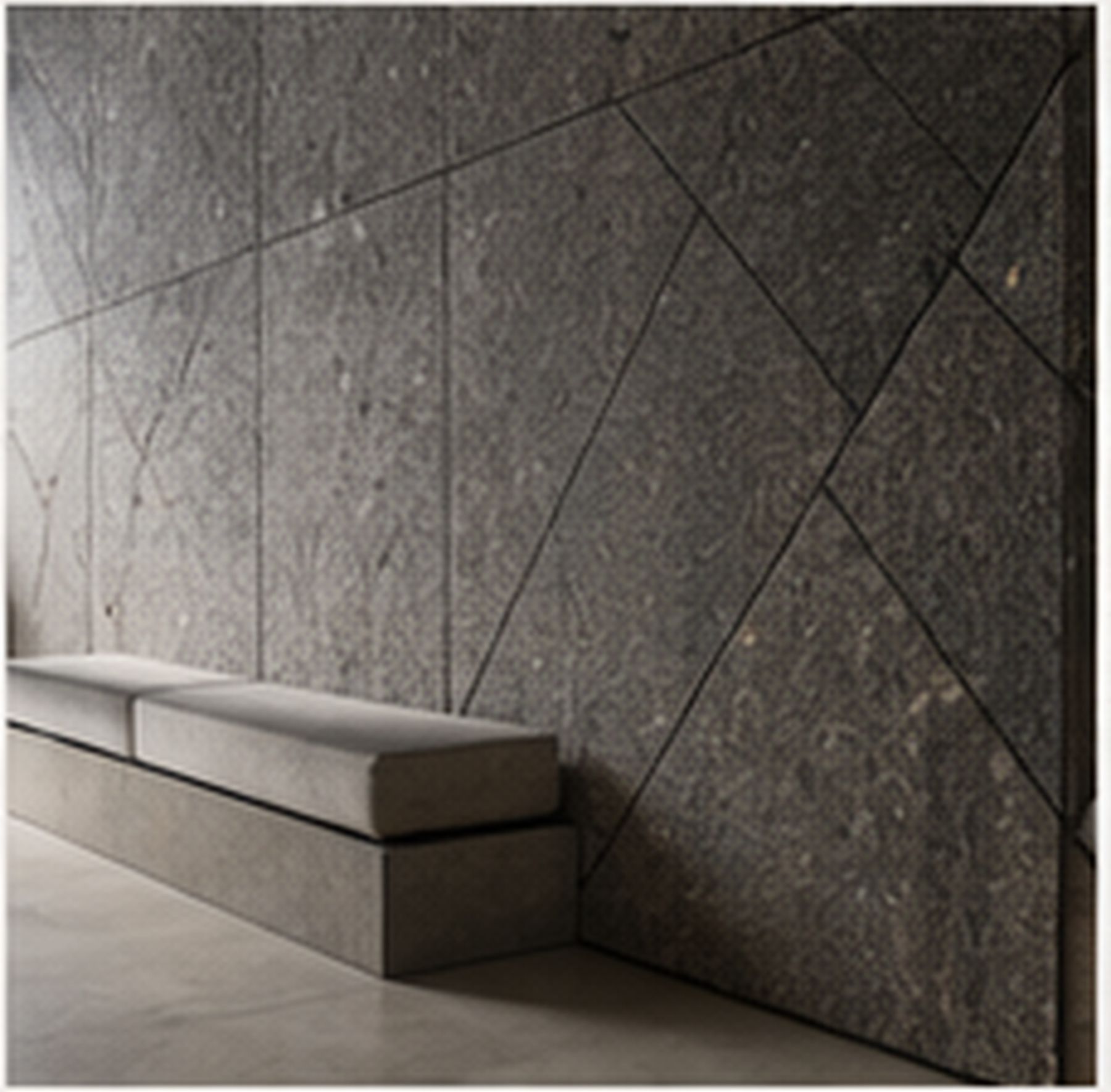
Acoustic material concept
Spatial

Acoustic Elements

Soft yet structured material expressions suitable for hospitality, workspaces, public interiors, and settings where both sound and atmosphere matter.

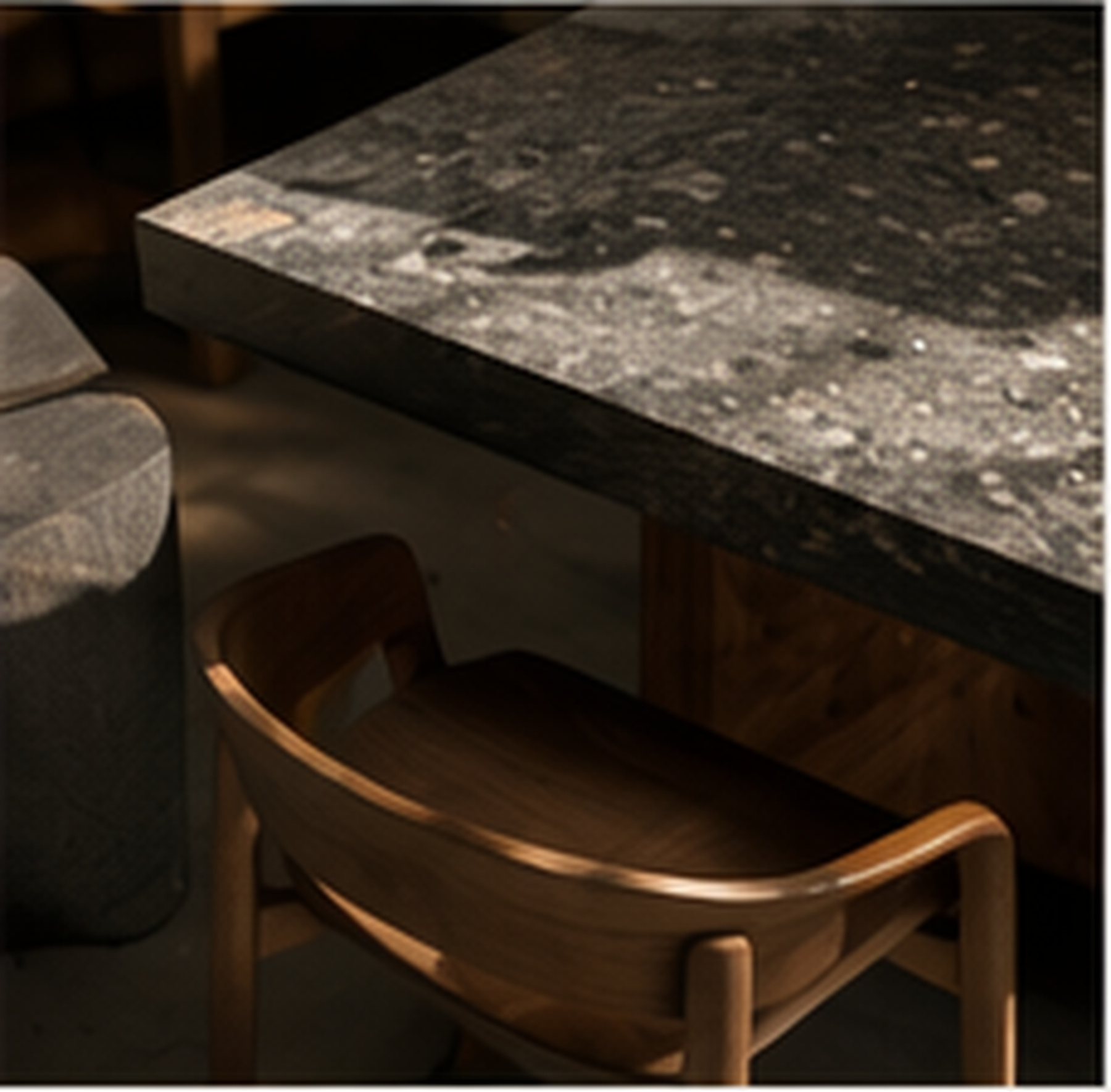
Custom material component concept
Bespoke

Custom Components

Project-specific pieces shaped around application needs, including custom dimensions, edge conditions, colour direction, and spatial detailing.

Colour and finish

Colourways and surface character.

The colour and finish range is intended to support both circular sourcing and refined interior design use. Even at this stage, the material range can be presented through clear tonal, tactile, and finish directions.
Chalk
Soft mineral neutrals for calm, gallery-like interiors.
Sand
Warm natural hues for hospitality and residential-adjacent settings.
Clay
Earth-rich tones with stronger visual identity and warmth.
Forest
Deeper nature-led direction for bolder brand and spatial narratives.
Charcoal
Low-light, premium contrast for dramatic or high-end interior use.
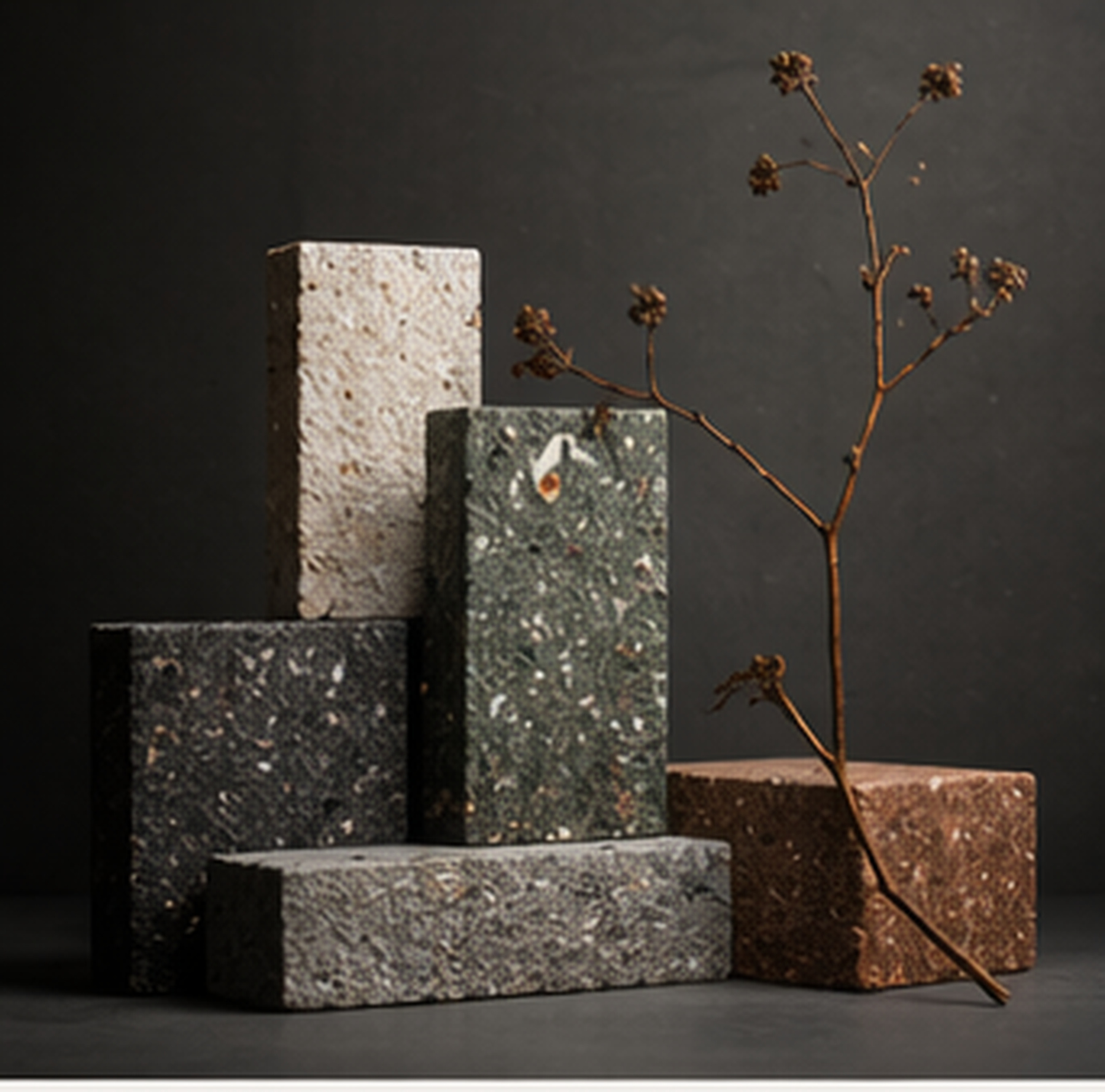
TextureLab tone and block studies
Material study

Colour, density, and block-like form studies can help explain the platform visually.

Project-defined parameters

What can be directed per project.

Not every technical parameter is fixed yet. The current approach is to develop application-ready outputs through a clear project-by-project customisation process.
Format
Panel size, component dimensions, and thickness ranges can be adapted to interior and fabrication needs.
Edge condition
Sharper, softened, layered, or exposed edge treatments can reinforce the intended design language.
Visual depth
Surface openness, fibre visibility, and compression feel can be tuned for different project aesthetics.
Finish direction
Raw, refined, sealed, matte, or more tactile finishes can be developed according to use case and maintenance expectations.
Application category
Wall systems, acoustic elements, branded display components, or public-interior interventions can each drive a distinct output path.
Sample pathway
Architect and partner sample sets can be structured around colourway, format, or application-specific exploratory packages.
Technical direction

Design ambition needs technical grounding.

TextureLab is being developed with a clear route toward specification, testing, and project readiness.

Dimensions & tolerances

Format ranges and tolerances will be clarified as the material system develops.

Application constraints

Some uses are already suitable for early pilots, while others will require further development.

Testing pathway

Fire, acoustic, durability, and composition testing are part of the technical roadmap.

Sample workflow

Sample requests and project enquiries provide an early route into the material system.

For architects and designers

Request samples

Request samples, review colour directions, or start a conversation about a custom application.