About

Turning textile waste into refined interior materials.

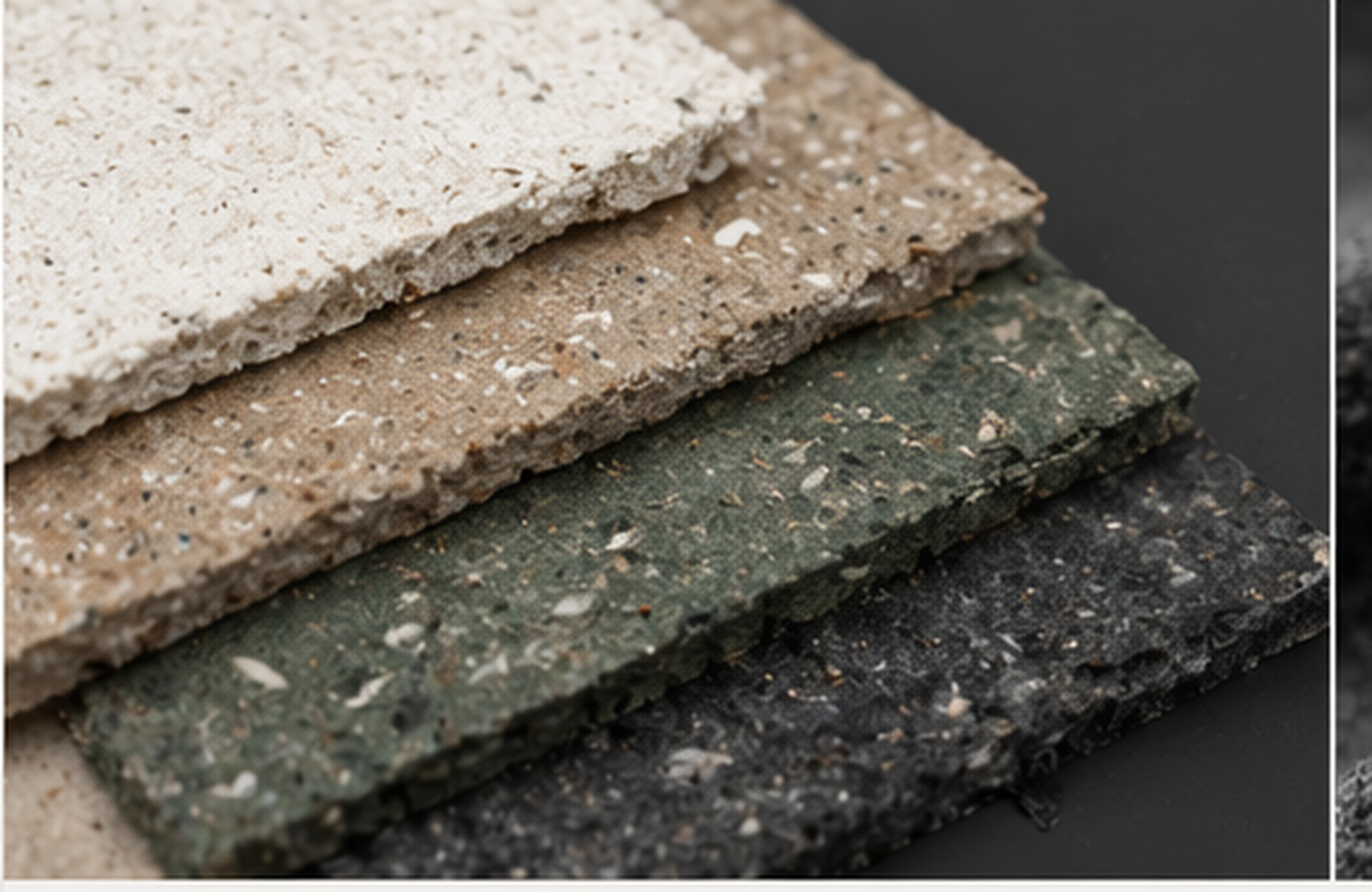
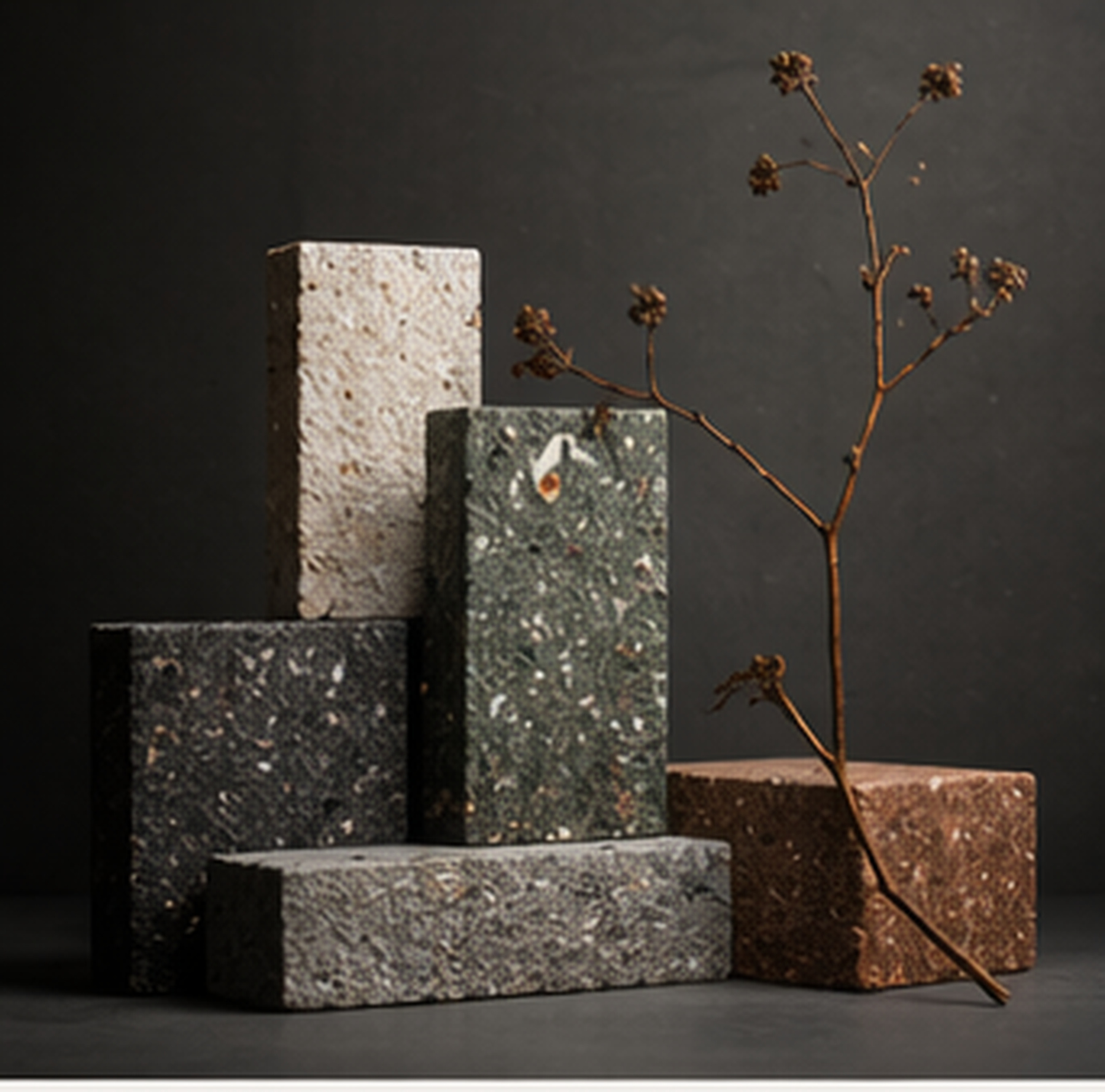
TextureLab is building a material innovation company around a simple but ambitious idea: textile waste should not be treated only as a disposal problem. It can become the basis of refined, desirable, and commercially relevant surface systems for interiors and spatial applications.
TextureLab material composition
TextureLab block studies
Design intent

Material systems that feel architectural, tactile, and future-facing.

Why TextureLab was started

Textile waste is abundant. Good circular materials are not.

The problem is not only that textile waste accumulates. It is also that most pathways for handling it destroy value: downcycling, export, landfill, or low-identity reuse. TextureLab starts from the belief that waste can instead be transformed into materials people genuinely want to use in ambitious spaces.
Problem

Textile waste is undervalued

Large volumes of potentially useful material are treated as residue rather than as a feedstock for higher-value design and construction applications.

Response

Design-led material development

TextureLab approaches textile waste not as something to hide, but as something to refine into a visible and desirable material proposition.

Opportunity

Circularity with market pull

The strongest products are not only sustainable. They are also compelling enough for architects, brands, institutions, and designers to actively choose.
What TextureLab is building

A new family of interior materials

TextureLab is being built as a material brand, not only as a sustainability initiative. The aim is to create surfaces and components that combine circular sourcing, visual identity, tactile richness, and real-world use.

Visible value

The material should not disguise its origin, but it also should not rely on origin alone. Its worth has to come through form, tone, texture, and spatial relevance.

Architectural relevance

TextureLab is not aiming only for object-scale novelty. It is building toward panels, acoustic elements, interior systems, and custom components that belong in designed spaces.

Commercial realism

The company should enter the market through samples, pilots, and carefully chosen application categories rather than pretending to be fully standardised too early.

Material ambition

The end goal is not only waste diversion. It is the creation of a recognisable material platform with its own language, desirability, and long-term specification potential.

Why now matters

The market is ready for better circular materials.

Architects, hospitality brands, public-sector actors, and fit-out partners increasingly want materials that do more than perform technically. They also want materials that tell a credible story about resource use, identity, and future-facing design.

Pressure on waste systems

Textile waste volumes continue to create both environmental pressure and a need for better local value-creation pathways.

Demand for visible circularity

Many sectors want sustainability to be physically legible in space, not only documented in a report.

Design appetite

There is growing interest in materials that feel distinctive, tactile, and narrative-rich rather than generic or anonymous.

Public/private relevance

TextureLab can sit between design ambition, municipal waste challenges, and commercial interior demand in a way few brands do.

How TextureLab develops

From material story to real projects.

TextureLab is developing through material design, sample-led entry, pilot projects, and technical validation over time.
1
Develop the material languageClarify what TextureLab stands for visually and materially through colourways, finishes, formats, and clear category framing.
2
Enter through samples and pilotsUse material decks, sample packs, and selected small-format applications to open the market in a controlled and credible way.
3
Build trust through real installationsEach completed project becomes both a commercial proof point and a technical learning loop for the next application.
4
Evolve toward specification readinessOver time, develop stronger technical, testing, and process consistency layers without losing the design-led identity.
Next step

See the material system in practice.

The best next step is to explore the material system across products, applications, and pilot contexts.
Who we work with

The right early collaborators.

Architects and interior studios
Hospitality and retail partners
Municipal and public institutions
Brands exploring circular materials