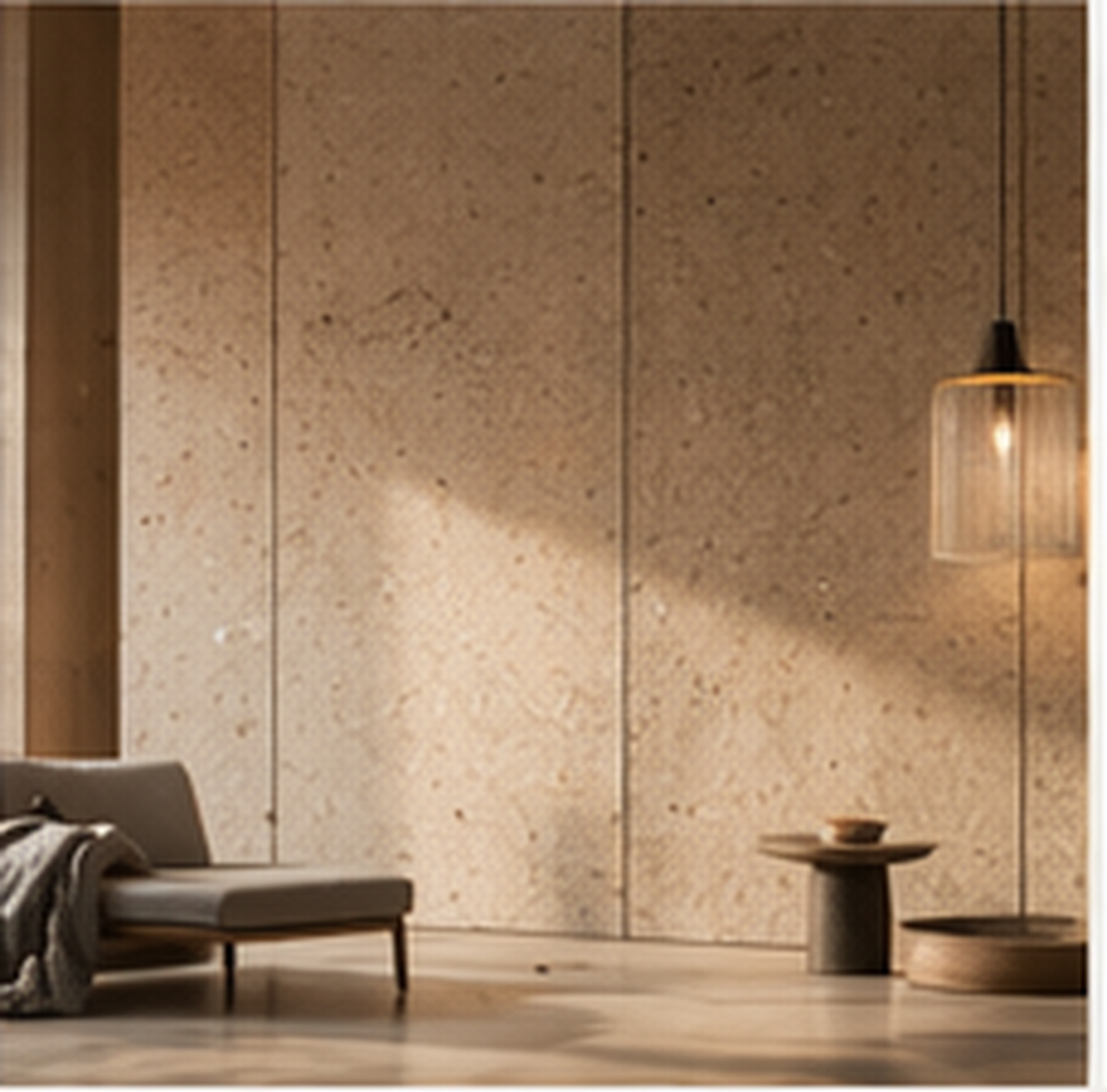
Textile waste reimagined as surface

Material value,
rebuilt from
discarded textiles.

TextureLab transforms textile waste into next-generation materials for interiors, surfaces, and spatial applications — bringing together circularity, tactility, and premium architectural relevance in one refined material system.
Architectural panels
Acoustic elements
Custom surfaces
Circular interiors
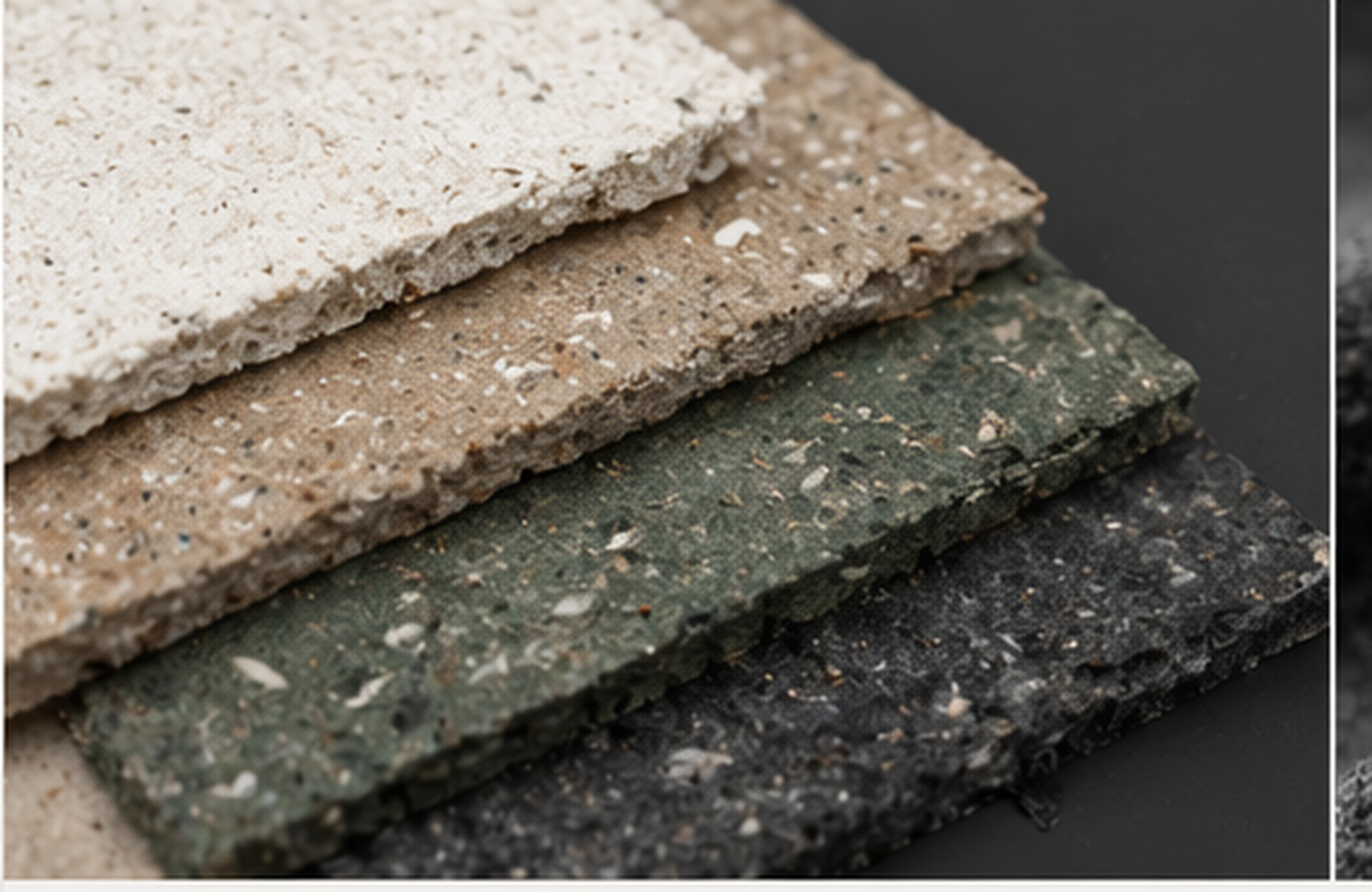
TextureLab material stack
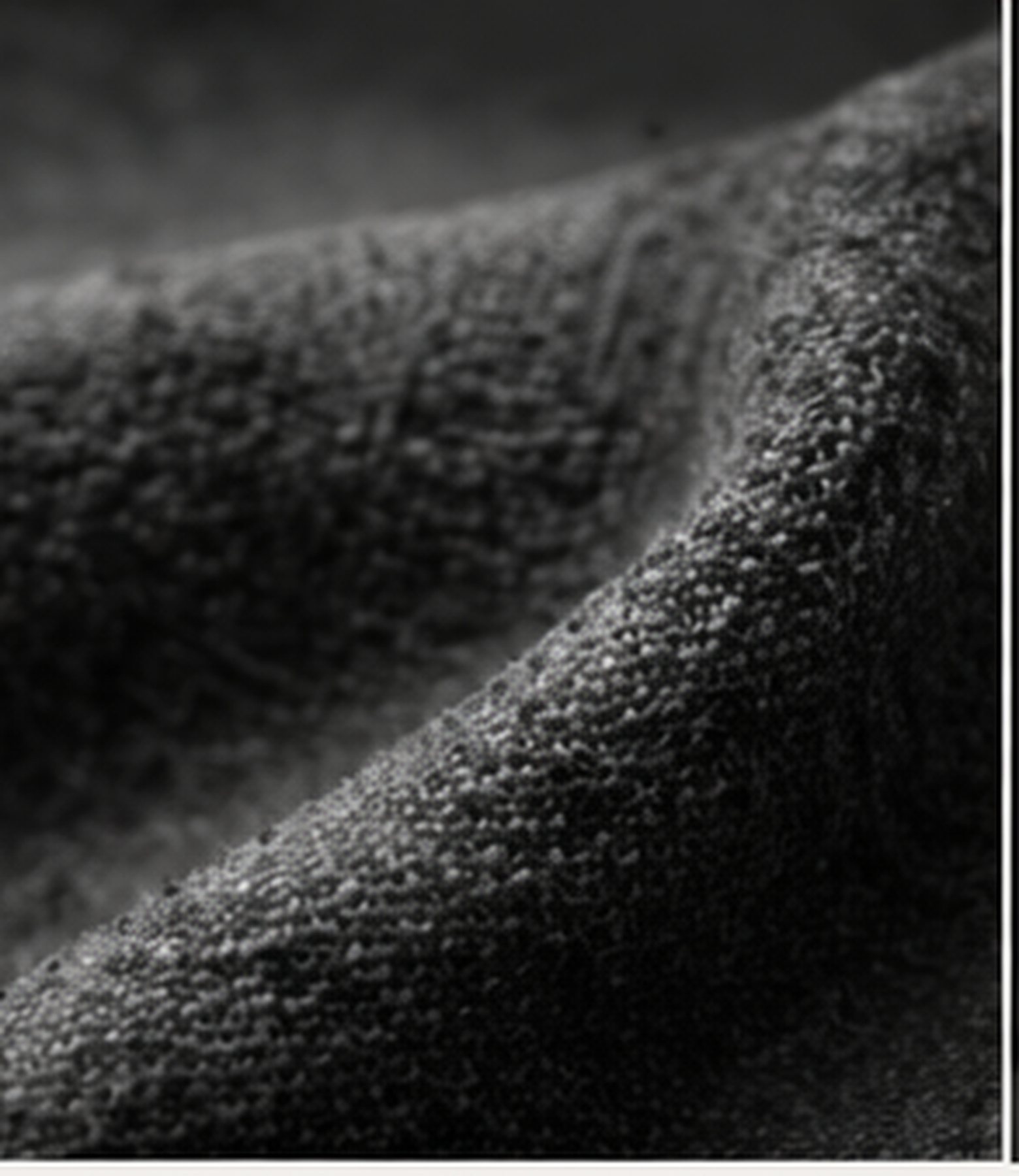
TextureLab fibre texture close-up
Material close-up

Tactile. Layered. Fibre-rich.
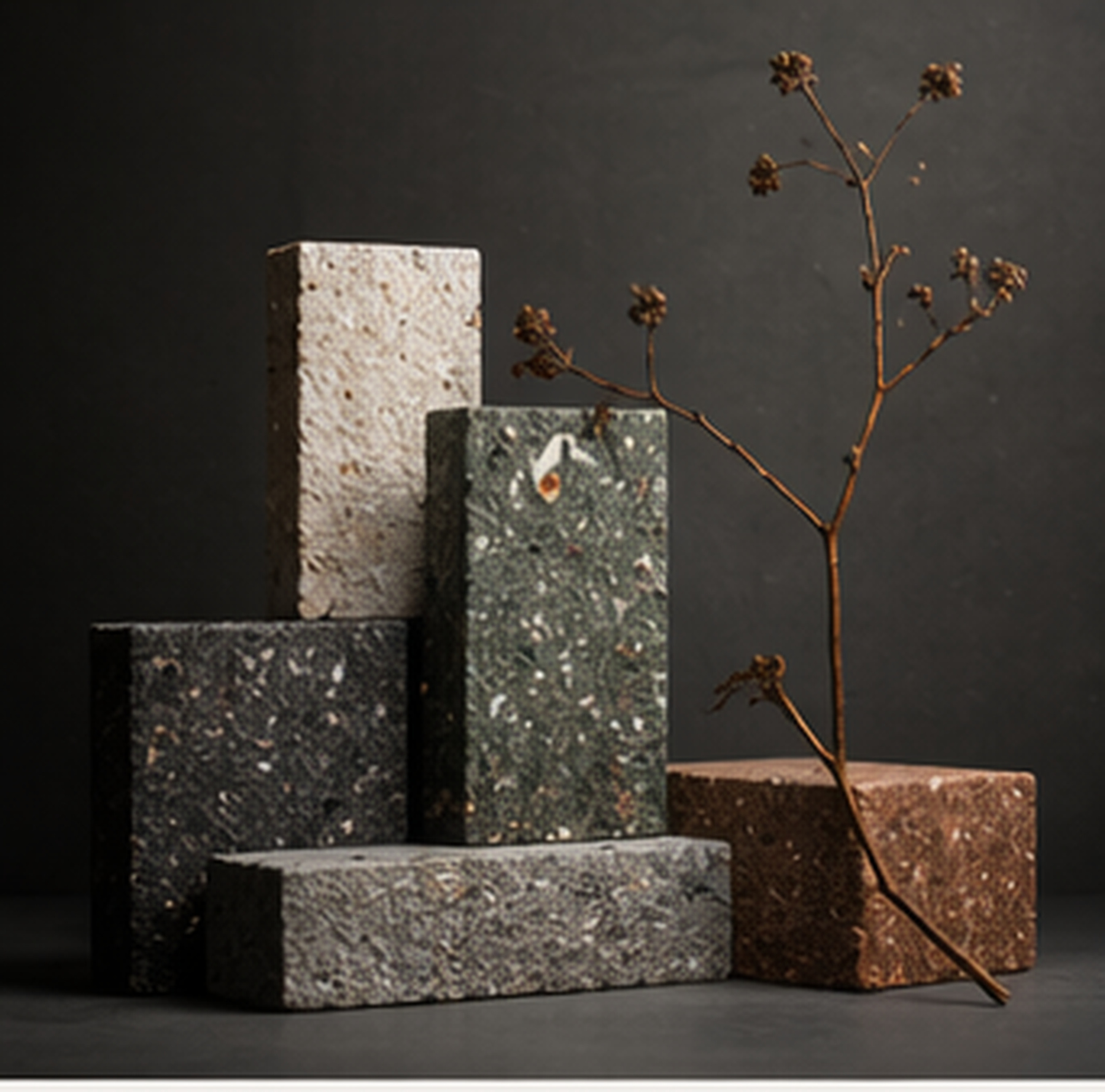
TextureLab material block studies
Material system

Format, density, finish, composition

01
Premium material language
02
Circular textile feedstock
03
Architectural use cases
04
Project-led customisation
What TextureLab is

Textile waste,
reworked into interior materials.

Most textile waste is downcycled, discarded, or used in ways that hide its material potential.
TextureLab turns textile waste into refined surface materials for interiors, displays, and custom spatial applications.
Materials

A family of outputs for interior and spatial use.

Request full material deck ↗
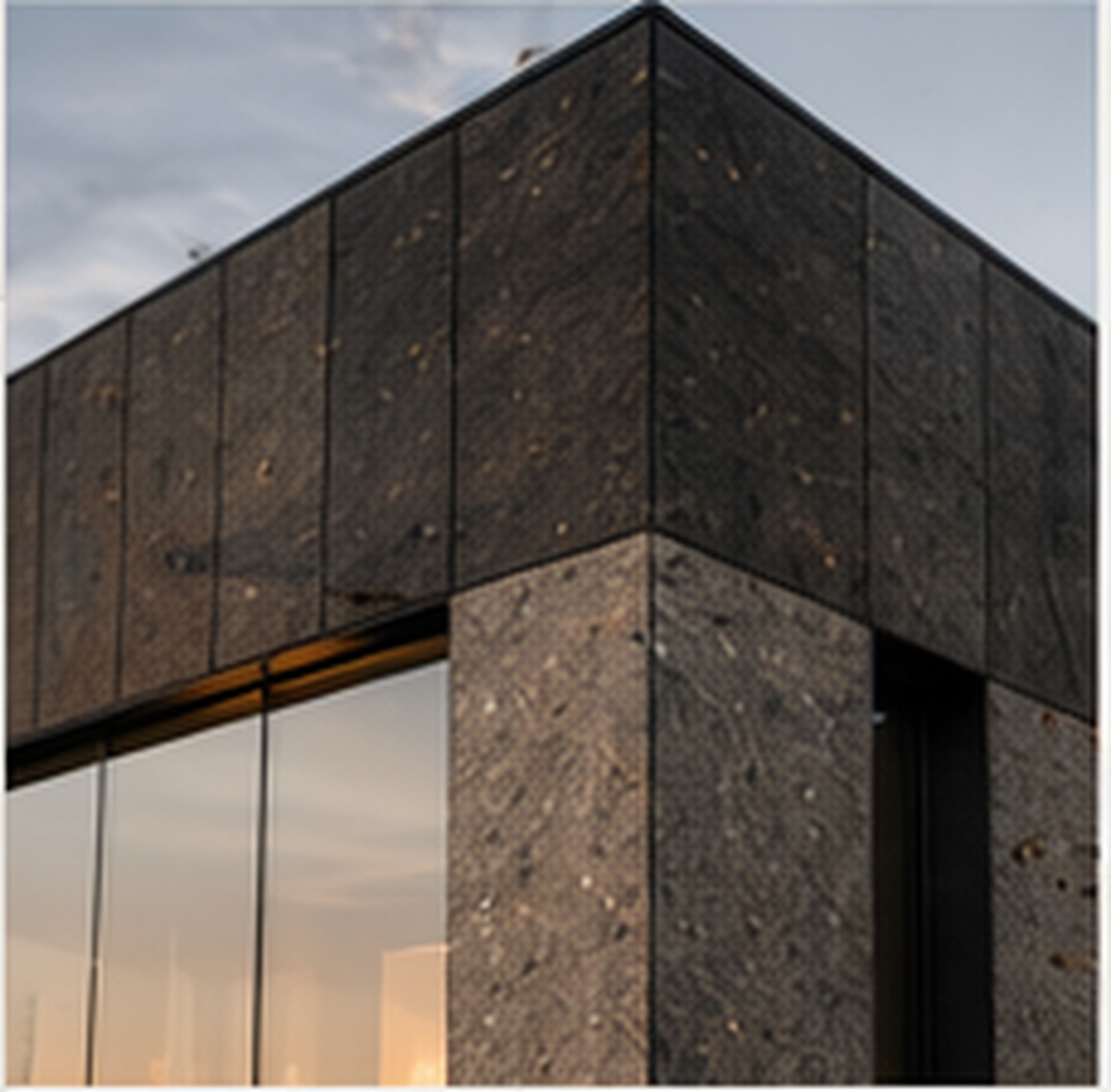
TextureLab facade application
Architectural

Surface Panels

Large-format interior surfaces developed for walls, branded environments, and spatial features.
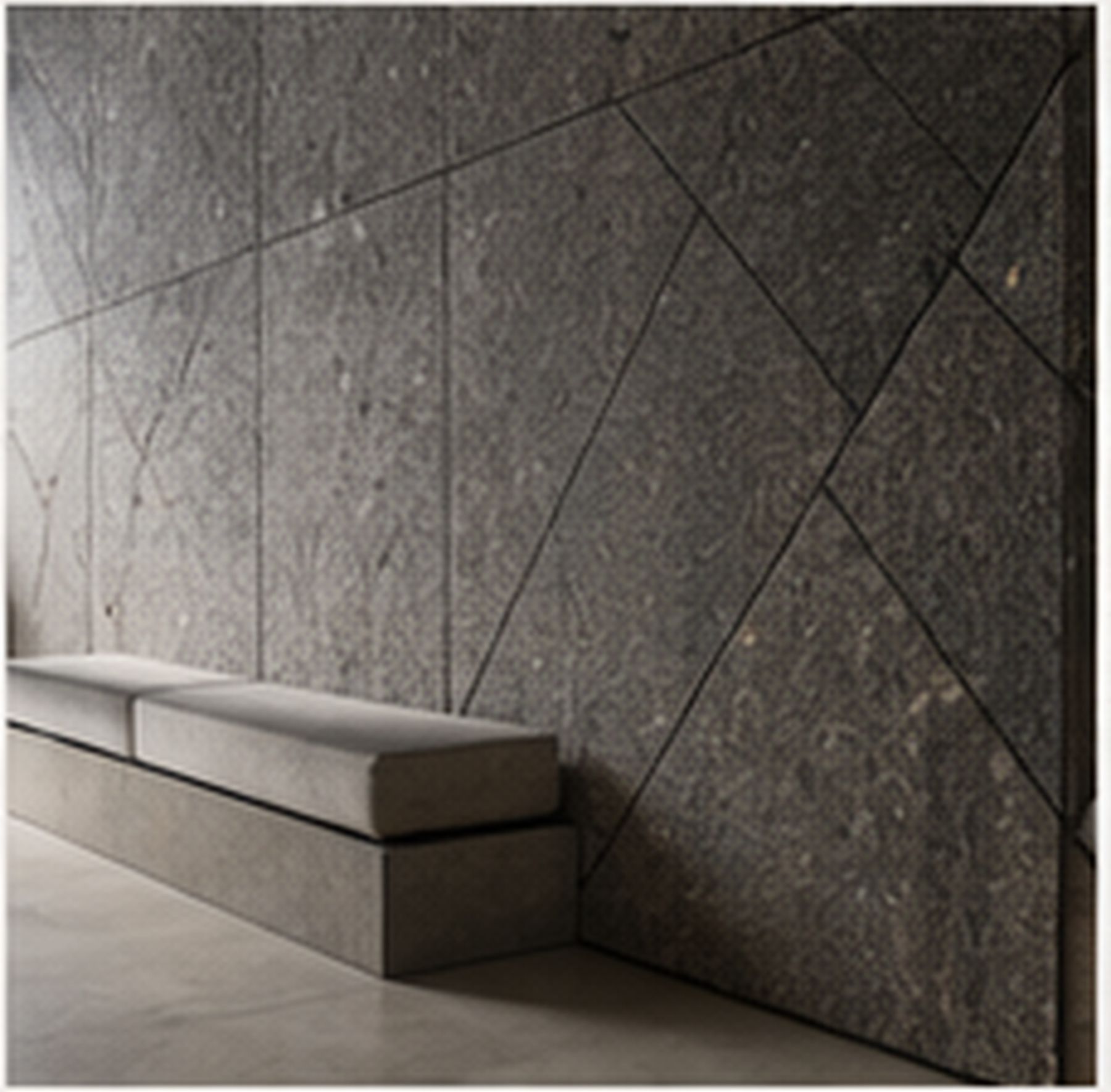
TextureLab acoustic application
Spatial

Acoustic Objects

Soft yet structured material expressions for hospitality, workspace, and public interior settings.
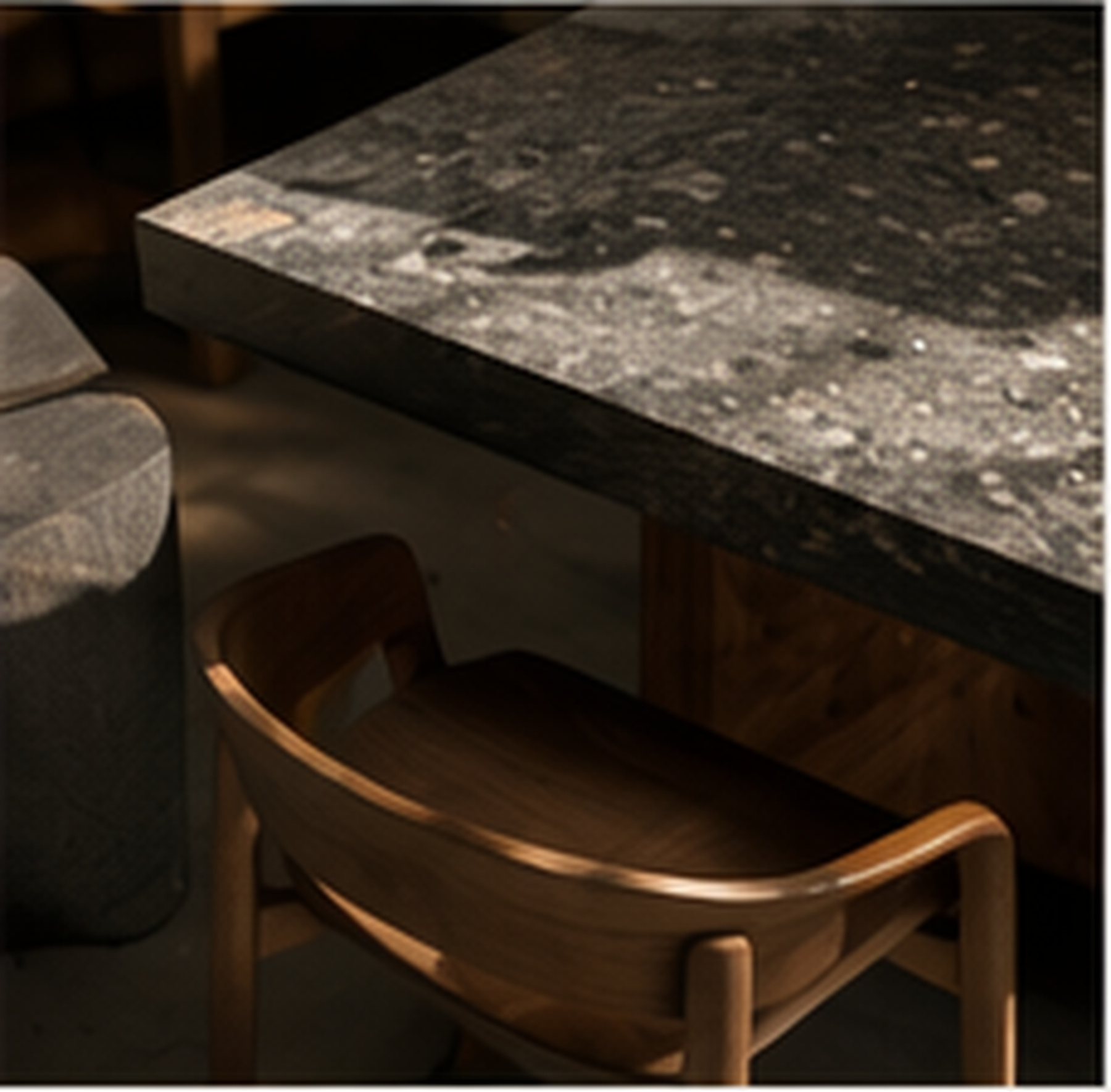
TextureLab furniture surface application
Bespoke

Custom Components

Project-specific formats, thicknesses, edges, and finishes shaped around aesthetic intent.
Why TextureLab

Why it matters

TextureLab is building a material brand for architects, designers, and partners looking for circular surfaces with real spatial value.

Not hidden waste — visible material value

TextureLab turns waste into a desirable architectural surface language.

Aesthetic control

Tone, density, texture depth, edge treatment, and finish can be directed toward a clear visual outcome.

Repeatable production logic

Built as a scalable material platform rather than a one-off craft proposition.

Circularity with commercial relevance

Waste diversion is paired with design value, specification potential, and premium positioning.

Applications

Designed for spaces where material identity matters.

The strongest early opportunities sit where sustainability, brand expression, and tactile spatial experience meet.
TextureLab hospitality interior

Hospitality

Warm, tactile materials for guest-facing spaces where narrative and atmosphere matter.
TextureLab retail furniture surface

Retail

Brand-forward surfaces for display systems, fit-outs, pop-ups, and experiential environments.
TextureLab workspace acoustic use case

Workspaces

Acoustic and visual materiality for offices seeking softer, more conscious interior identities.
TextureLab public interior material application

Public Interiors

Circular material statements for institutions, municipalities, and civic-facing environments.
Material process

From feedstock to finished surface.

TextureLab begins with textile waste, prepares the feedstock, forms new material outputs, and adapts them to project needs.
1
Source textile waste
2
Sort and prepare feedstock
3
Process fibres and formulate mix
4
Form panels or spatial components
5
Finish by project intent
6
Deliver samples or application-ready outputs
Material specification signals

Key material parameters

Format options
Custom dimensions and project-responsive sizing
Visual range
Tone, texture depth, density, and edge variation
Use categories
Interior surfaces, features, displays, fit-outs
Testing pathway
Fire, acoustic, durability, and composition data
TextureLab technical texture detail
For architects, designers, and partners

From interest to project discussion

Request samples, discuss a pilot, or start a conversation about a custom application or partnership.
Architect sample packs
Pilot application briefs
Custom finish discussions
Public/private partnerships